First Light - Star
$35.00 USD w/ Free Shipping
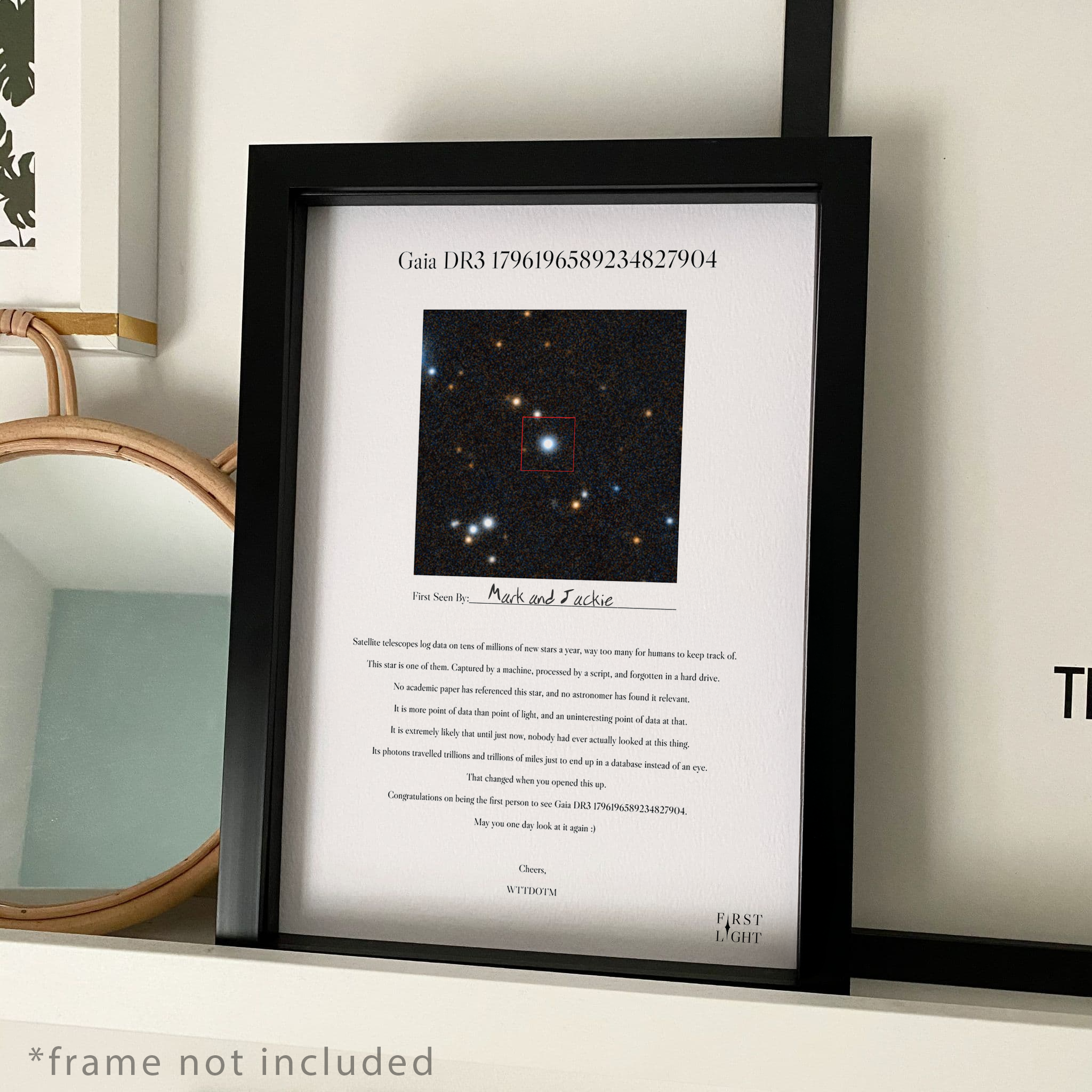
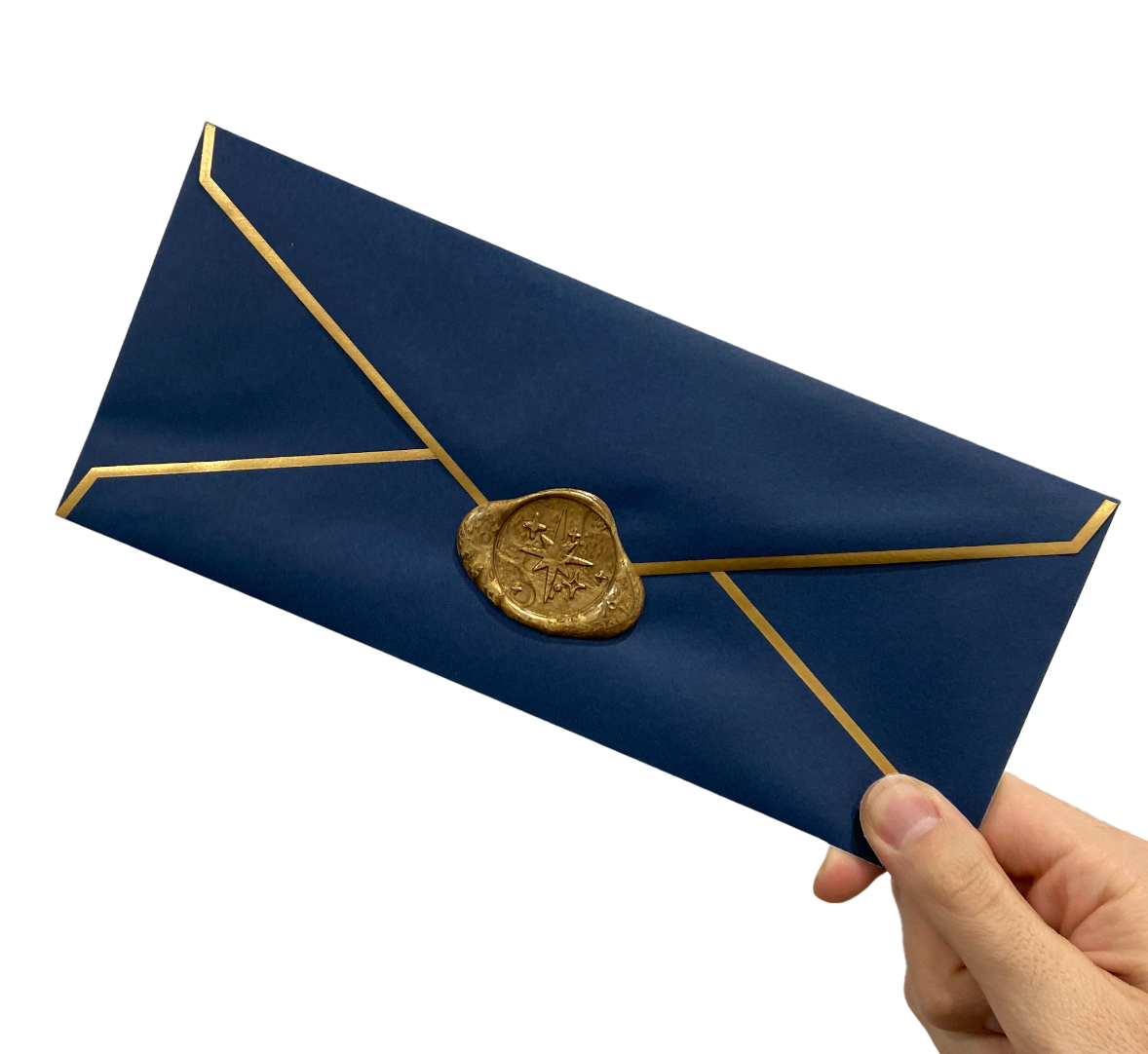
First Lights are stars that nobody has ever looked at before. Through a process done in collaboration with research astronomers around the world, the excess and unimportant stars of astronomy are collected, printed, folded, and sealed completely blindly, so that when you open up a First Light, you become the first person in the world to see it.
Modern astronomy uses computerized telescopes to discover tens of millions of new stars every year, which is thousands and thousands of new stars of every day. The only people who care about these newly discovered worlds however - research astronomers - could not care less what they look like. Once you've seen the 2+ billion of them that humanity has discovered (itself an impossible task), you've pretty much seen them all. Instead, these new neighbors we find around our galaxy are much more useful for their data: measurements like brightness, wavelength, flicker, and motion that can be plugged in en masse to scientific models so that these individually irrelevant stars can - in the aggregate - uncover new secrets of the universe. That's all they're good for.
The story of modern starlight is one where photons originate trillions and trillions of miles away, spend millions and millions of years getting here, and become destined to spend their life as a row of numbers in a database rather than as a glimmer in a human eye.
I find that deeply sad. But it doesn't have to be.
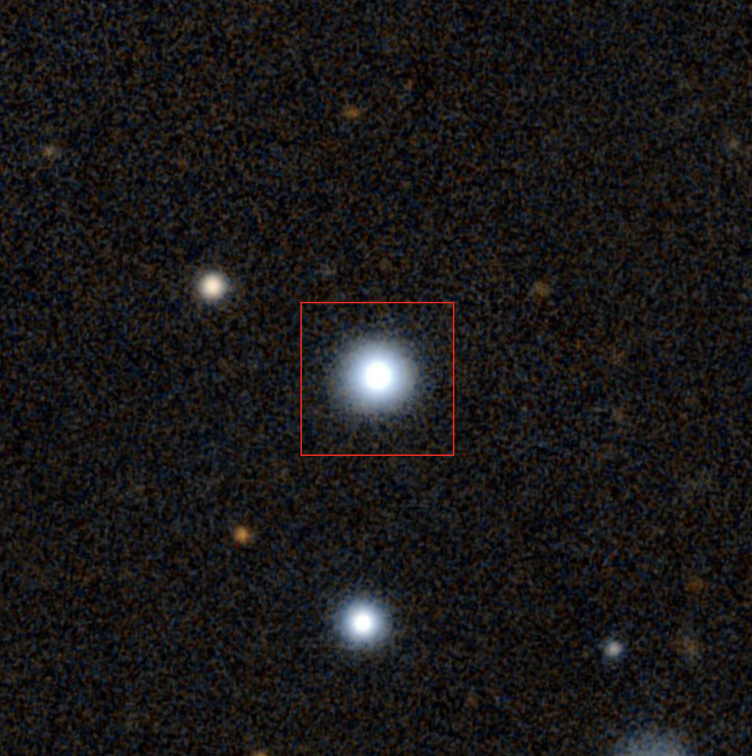
If you think about what data get collected: brightness, wavelength, flicker — those are all visual pieces of information. Information that we get from the *pictures we take* of these things. Pictures of stars that we have discovered, named, and catalogued by the billion that nobody has ever actually *looked at*.
First Lights give those stars a chance to be seen, by you, for the first time.
I scrape, print, and seal these stars all without looking at them through a process done in close consultation with research astronomers across the globe to ensure that these stars are as unimportant and ignored as possible. The individual star in every First Light envelope is unique and never put in another envelope again. You do not own it. You cannot name it. You are merely the first to bear witness, and with your observation - a la Schrödinger - fasten it as really out there amongst the cosmos.
Frequently Asked Questions
How do you know that nobody has seen this star before?
In consultation with academic research astronomers across the globe, we’ve developed a very thorough process for identifying which stars fit the bill. By combining information from an assortment of databases on every star, we ensure that each one we print out has never been noted as scientifically interesting, never been mentioned in any published research, and is faint enough that earlier surveys couldn't capture it clearly. In short: these stars are as unimportant and actively ignored as possible.
Will I own this star? Can I name it?
No, and companies or sites that claim otherwise are scamming you. What's important about your relationship to this star is not ownership, but the unique experience of being the first human to ever see it. These stars remain part of our shared universal heritage, but your connection to it is personal and profound — a moment in cosmic history that belongs only to you.
Can I see this star myself? How can I learn more about it?
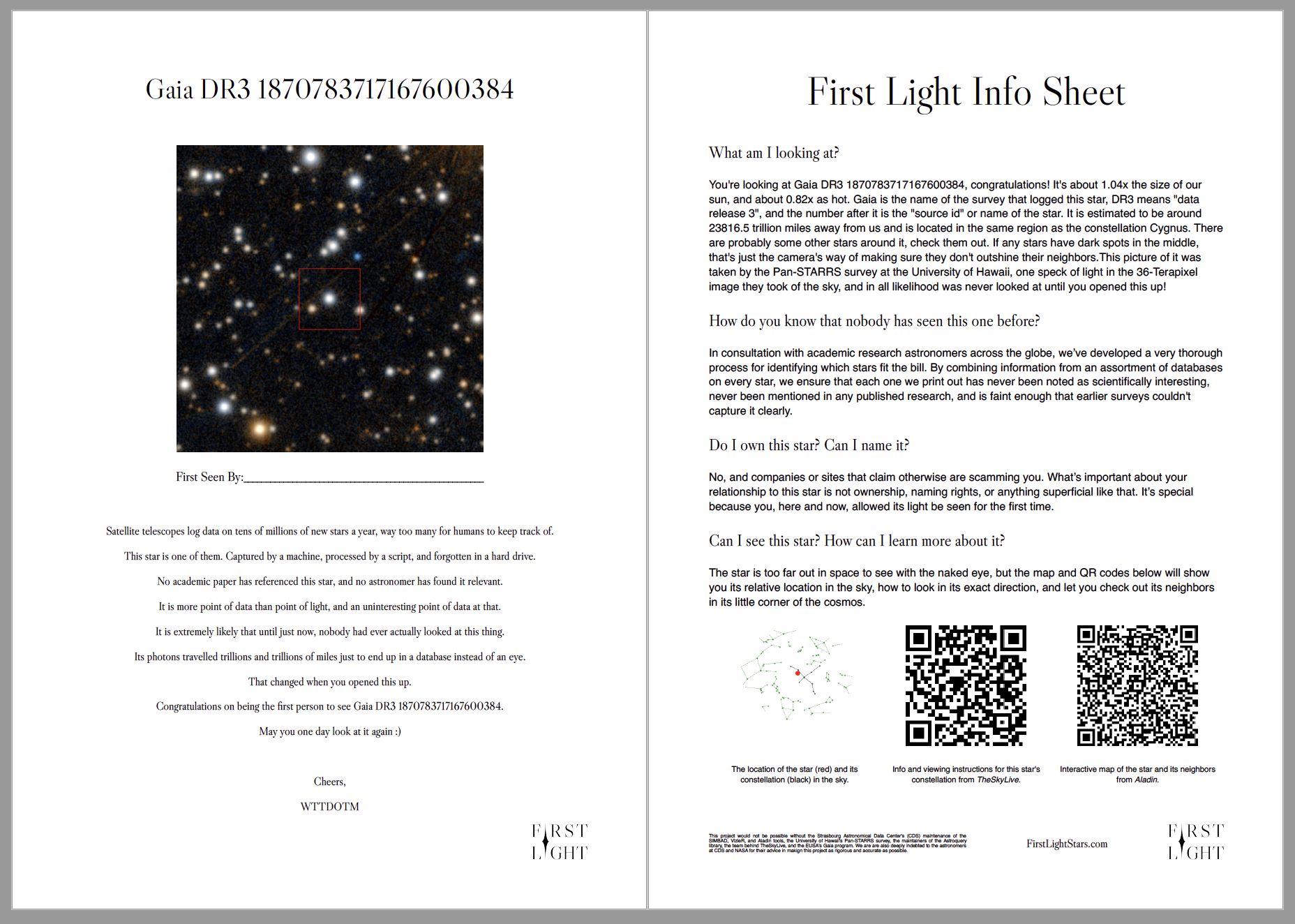
The star is too far out in space to see with the naked eye or even most amateur telescopes, but each First Light info sheet comes with a map of where it is in the sky among visible constellations, an interactive website to check out its neighbors, and more. You'll also receive detailed information about your star's position, magnitude, and estimated distance from Earth, allowing you to understand its place in our galaxy.